Julie’s 3-Day Story: From Family History to Survivorship

Julie M. has walked in the Susan G. Komen 3-Day for more than a decade.

For more than a decade, Julie M. walked the Susan G. Komen 3-Day® to honor the women in her family who had faced breast cancer. Then in 2023, she received a diagnosis of her own. 

Walking for Her Mom 

Julie first participated in the San Diego 3-Day in 2010, following her mother’s breast cancer diagnosis in 2007.  

“I would have walked sooner, but when my mom had cancer, I lived in Italy with my husband on his military tour,” Julie said. “When I started, my mom walked with me a few times, and I have done it ever since.” 
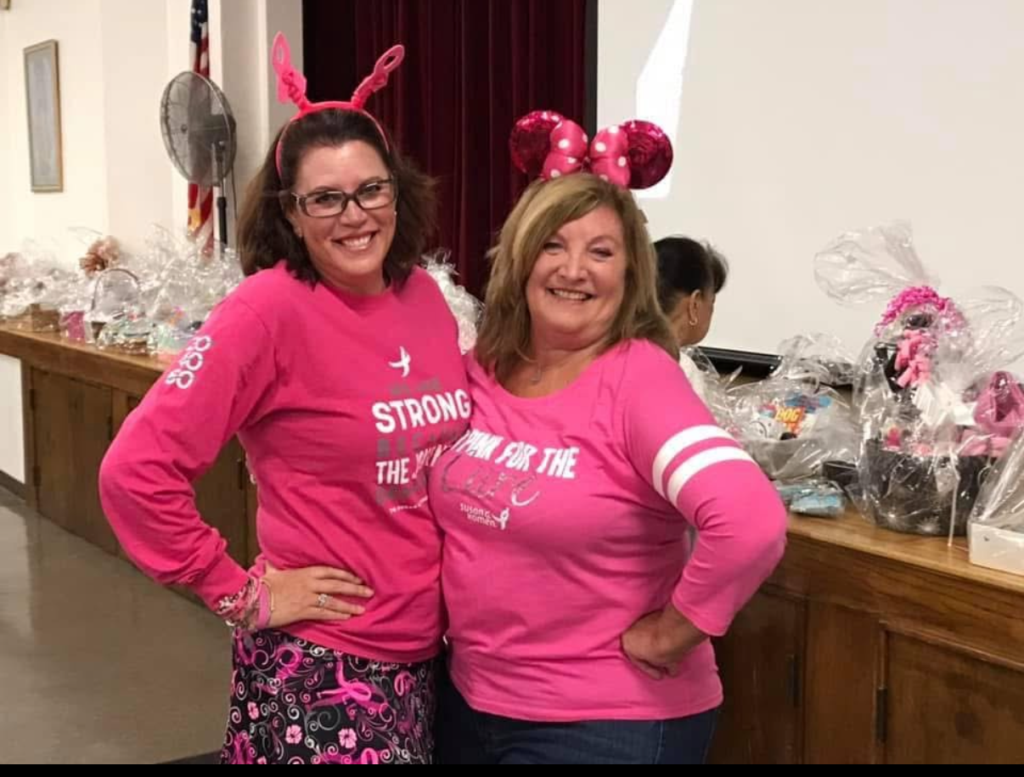
Julie M. started walking in the 3-Day after her mom was diagnosed with breast cancer.

Over the years, the 3-Day has become a major part of Julie’s life. She has participated in 22 events, and for the past seven years she has served as captain of Team Viva Las Boobies.  

“The 3-Day has been a life-changing experience for me because of the camaraderie, the sisterhood. It’s phenomenal,” Julie said. “The people I walk with … we just walked this morning. We walk year-round and we have just become such lifelong friends.” 

Worst News Ever 

For much of her adult life, Julie M. lived with the expectation that one day she might come face to face with breast cancer. 

“I’ve been getting mammograms since I was in my 30s,” Julie said. “My mom, my granny and my aunties all had breast cancer.”  

Determined to stay vigilant, Julie alternated between mammograms and breast MRIs every six months.  

In early 2023, Julie had a routine MRI that came back with clear results. The next month, she missed a scheduled mammogram because she was dealing with vertigo. Then, when she went in for the mammogram about one month later, she was called back for additional imaging. She had a gut feeling that something was wrong. 
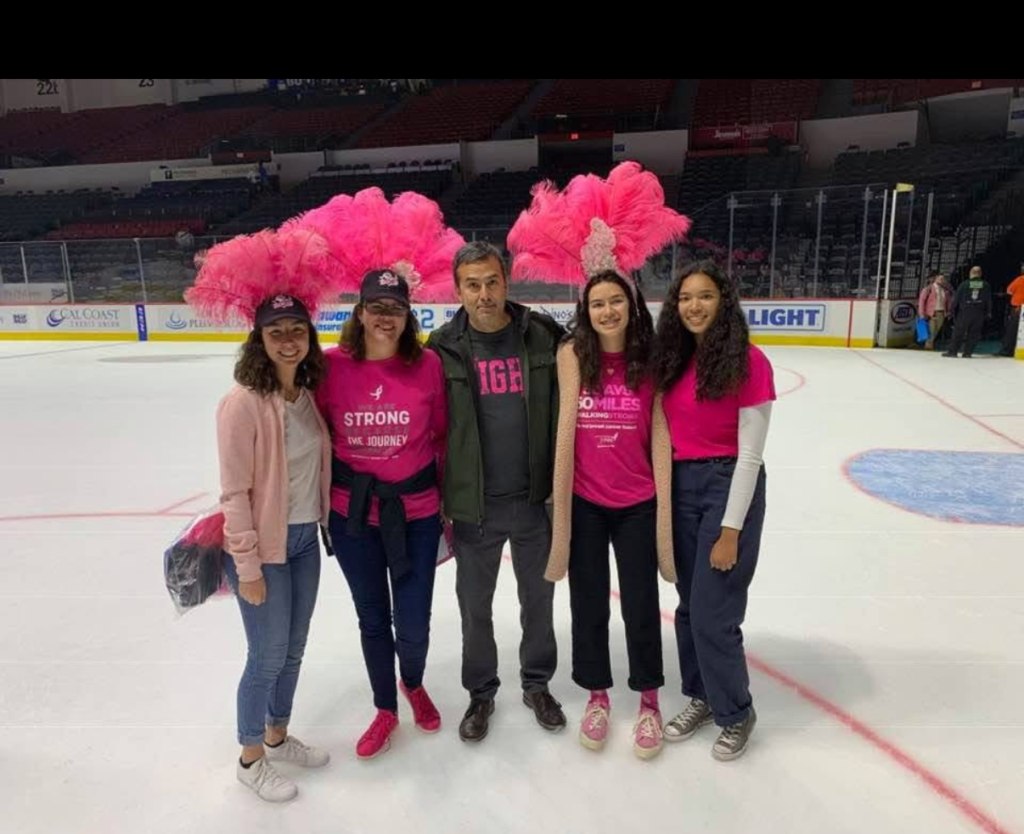
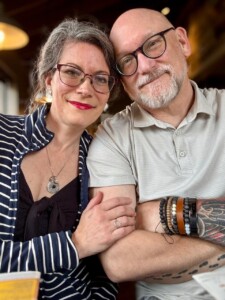
Julie and her family during her breast cancer journey.

At age 53, Julie was diagnosed with stage 1 breast cancer. At the time, some of Julie’s family members were in San Diego visiting from Scotland. And both of her daughters were busy preparing for their final college exams. So, she waited before delivering the news to her family.   

When the time came, Julie and her husband called both of their daughters and told them together.   

“It was harder to tell my daughters than it was to tell anyone else. They were 20 and 22 when I was diagnosed,” Julie recalled,. “The first thing they said was, ‘Worst news ever.’” 

Julie’s daughters and husband were a great source of support as she recovered from surgery. Just a few months later, Julie walked the Boston 3-Day and then returned home to San Diego to begin radiation therapy. 

Leaning on the Pink Bubble 
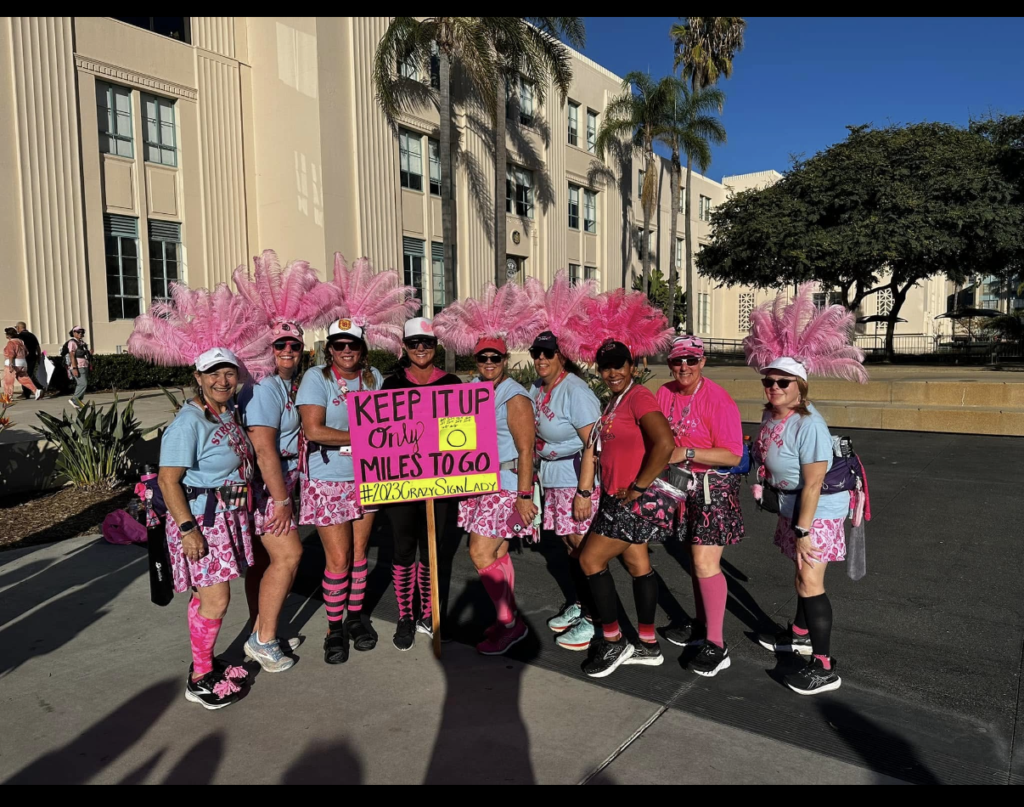
Team Viva Las Boobies at the Komen 3-Day.

Throughout her diagnosis and treatment, Julie also leaned on the friendships she had built through the 3-Day. 

“The Pink Bubble is a real thing. It’s truly an amazing connection that you make with people that you would never cross paths with any other way,” Julie said.  

Julie said she was grateful to be able to reach out to fellow 3-Day walkers and survivors for advice and strength.  

“I was able to reach out to so many people, and they shared recommendations for surgeons, what to expect from treatment paths and their experiences,” Julies said. “It was a wealth of information from teammates and so many people who had been there before.” 

This year, Julie is celebrating nearly two years of breast cancer survivorship and will walk in the San Diego 3-Day in November. Her advice to those who are newly diagnosed is: “Don’t let breast cancer get you down or swallow you up. Keep moving forward, because you can still come out on the other side and live your best life.” 
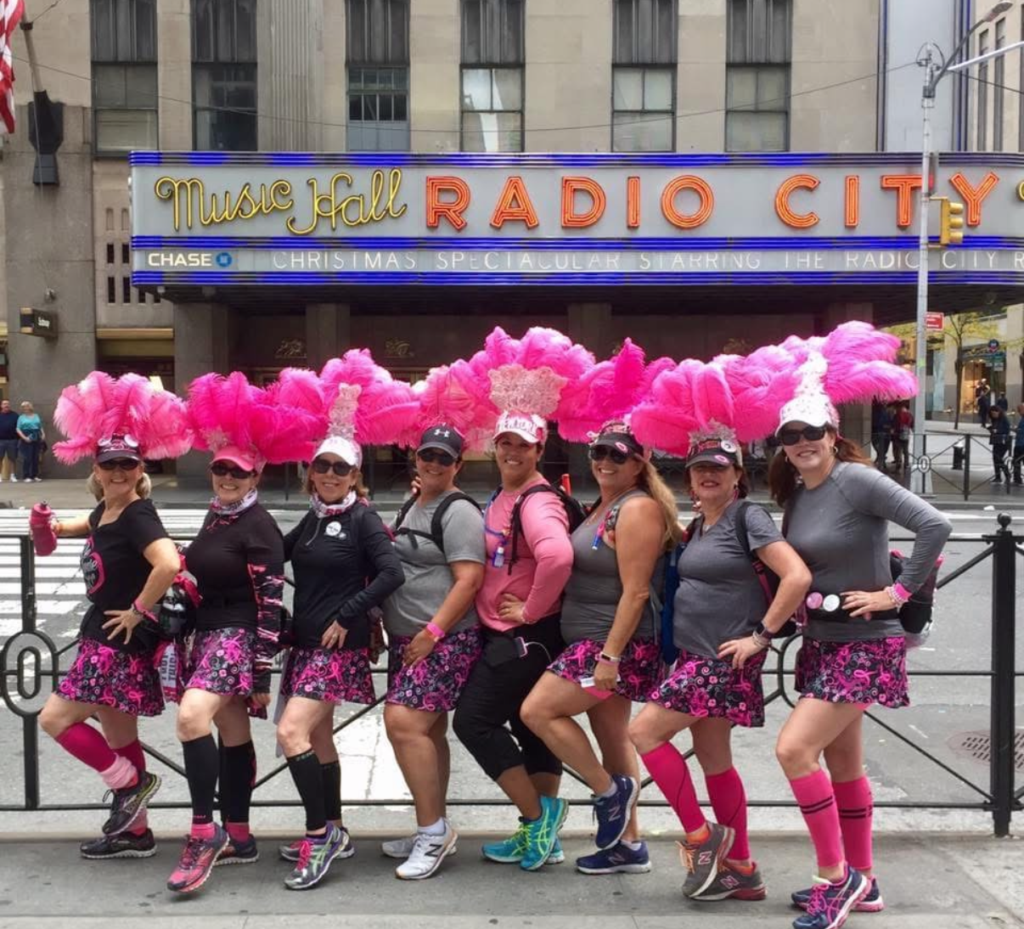
Julie an her team, Viva Las Boobies, in New York City.

To learn more about the 3-Day visit the3day.org
A Mother’s Journey from Breast Cancer to the 3-Day

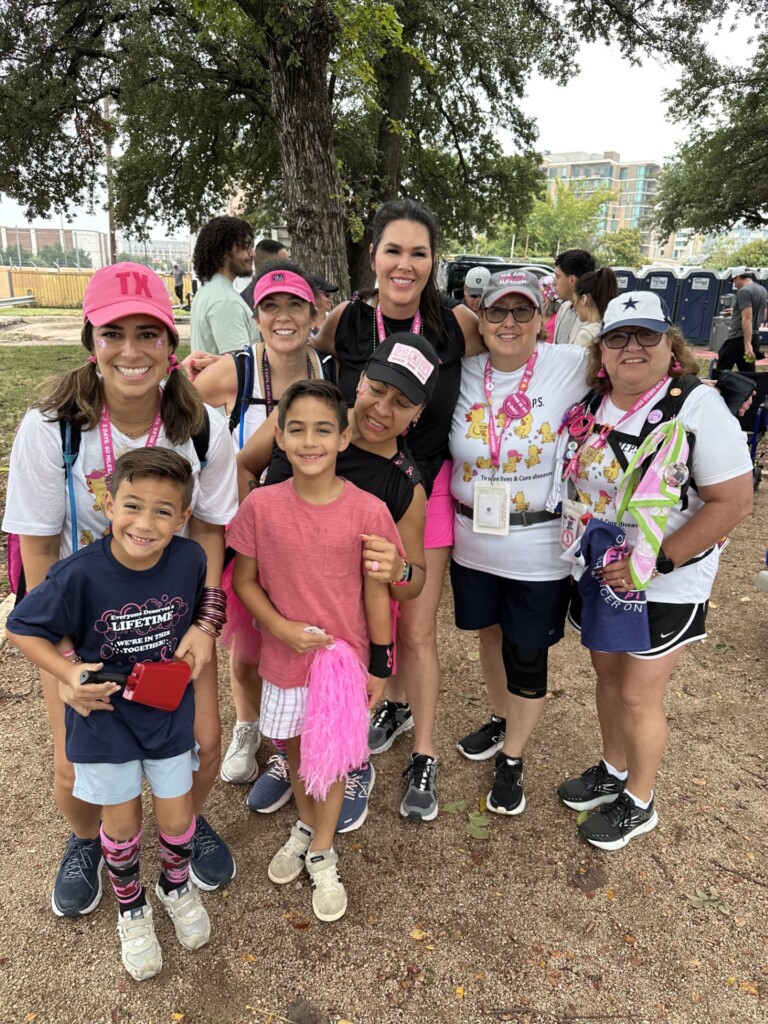
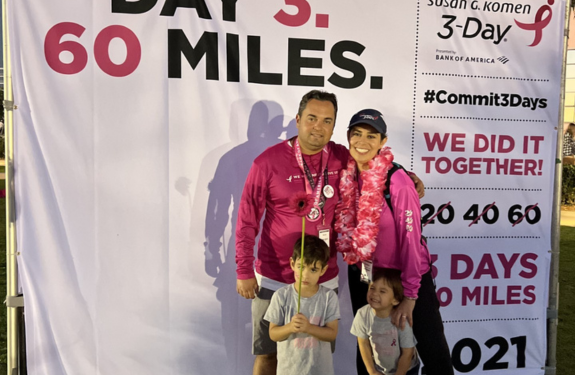
Cecilia S. at the 3-Day with her family.

It’s been nearly five years since Cecilia S. was diagnosed with breast cancer at 34 while raising two young children. It became a journey that led her to the Susan G. Komen 3-Day® 

Now, she is approaching a milestone she has looked forward to since her diagnosis, one that has been defined by strength and hope.  

“When they say, ‘you’re a survivor,’ it’s interesting because we have no other choice,” Cecilia said. “But what’s amazing is the connection you form with other women, because without that, breast cancer can feel very isolating.” 

The Diagnosis 

During the COVID-19 pandemic, Cecilia encouraged her sister to get a mammogram after turning 40, despite many delaying preventative care. That same night, Cecilia performed a self-exam. 

“I had recently finished breastfeeding, so my breasts were like pancakes. I felt a tiny pebble close to my armpit,” Cecilia said. “So, I went to see my doctor.” 

At first, Cecilia thought it might be a clogged milk duct. But after a series of ultrasounds, a mammogram and a biopsy, she was diagnosed with triple negative breast cancerGenetic testing revealed she had the BRCA1 inherited gene mutation, which led to a pivot in her treatment plan, including a double mastectomy and 16 rounds of chemotherapy in 2022. She underwent reconstruction surgery on her 35th birthday.

Joining the Pink Bubble 

Team Steps at the Susan G. Komen 3-Day.

Just a few months after her reconstruction surgery, Cecilia learned one of her colleagues — a 30-year breast cancer survivor — was training for the 3-Day with other co-workers. 

“They invited me to train with them and told me they were walking in my name. I went and I was shocked at how easy it was to be around women who understood what I had been though,” Cecilia said. “That’s when I knew I wanted to do the 3-Day, too.” 

Although Cecilia had lived in Texas since 2017, she and her husband signed up for the 2022 San Diego 3-Day just months after she completed treatment.  

“I’m originally from California. I went to college at UC San Diego and all my family is in California. The 3-Day felt like a great way to bookend my journey,” Cecilia explained. “All of my family and friends who couldn’t be physically with me in Texas had the opportunity to be there to support me.” 

Cecilia walked at her own pace during her first 3-Day, and with the encouragement of her husband, her teammates and support of the medical crew for her neuropathy pain, she walked every Komen mile as a first time walker. Despite the challenges, she said she was immediately “hooked” on the Pink Bubble. Since then, Cecilia has walked the 3-Day in Denver, San Diego and Dallas/Fort Worth, and this fall she will complete her sixth 3-Day. 

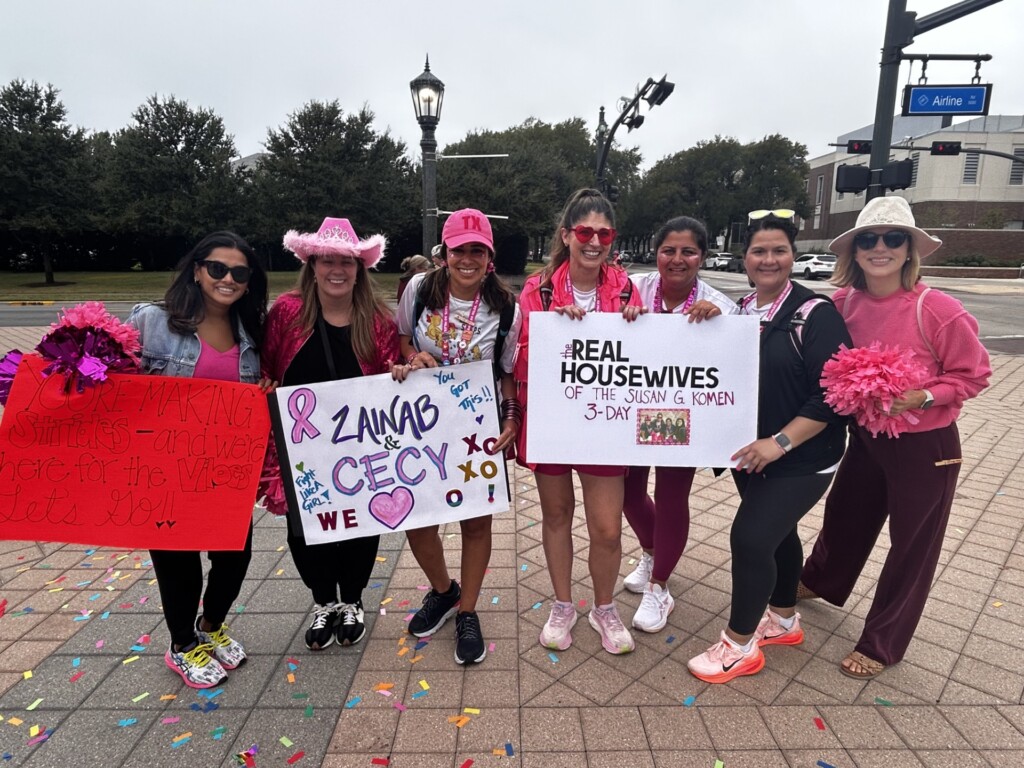
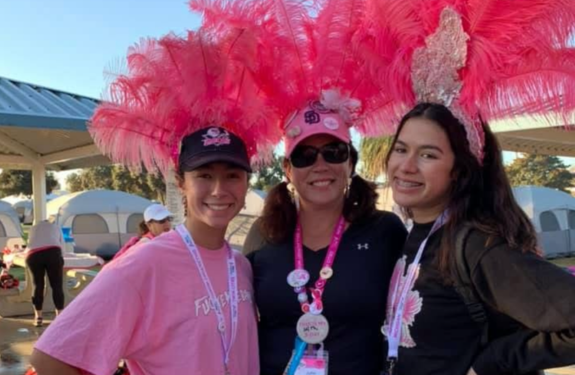
Cecilia and her friends at the Susan G. Komen 3-Day.

The support and strength Cecilia found through the 3-Day inspired her to help other women facing breast cancer feel less alone.  

“When I hear about other women diagnosed with breast cancer, I try to support them — even if it’s just a text reminding them, they aren’t alone,” Cecilia said. “I try to encourage friends and fellow breasties to join my 3-Day Team Steps because simply being there can restore hope. Standing alongside 30-and 40-year survivors is a powerful reminder that this journey doesn’t end with a diagnosis — it continues with strength, community and spreading awareness.”   

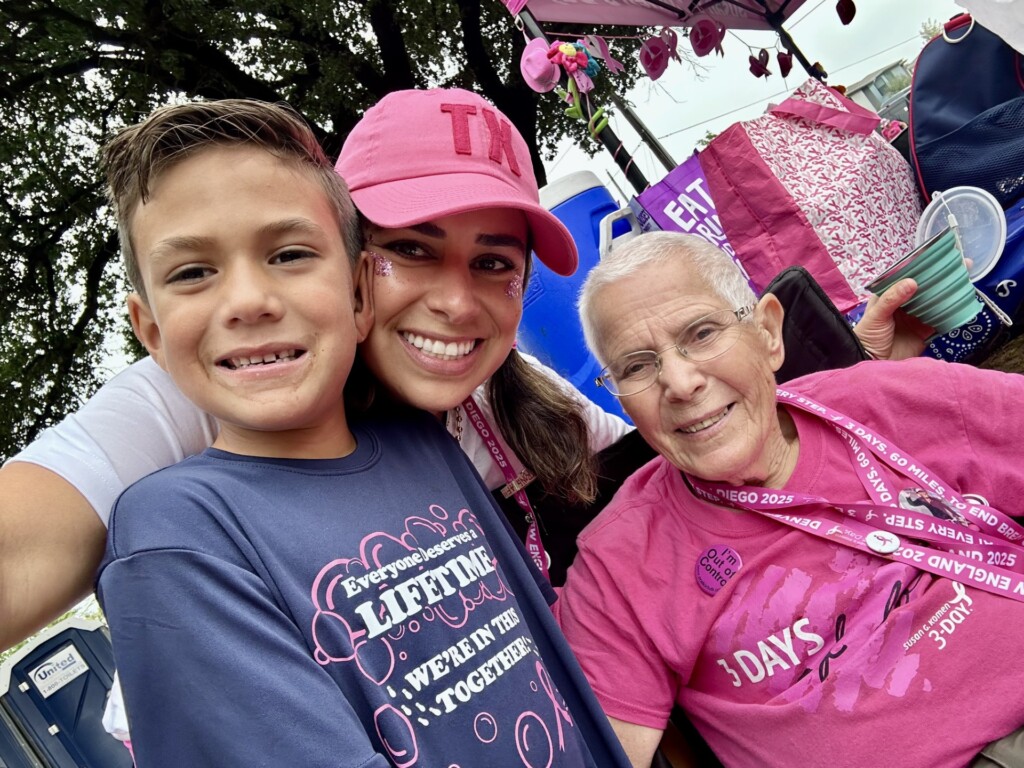
Cecilia and Mary at the Susan G. Komen 3-day.

To learn more about the 3-Day visit the3day.org. 

Raising Awareness for Male Breast Cancer at the 3-Day

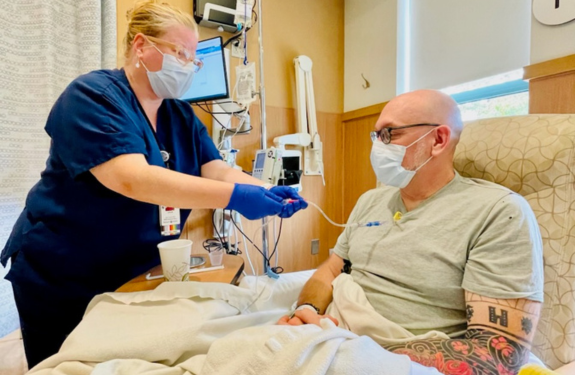
Jake Messier is living with metastatic breast cancer and is seen at chemotherapy.

Jake M.,54, is preparing to walk his first Susan G. Komen Boston 3-Day® with one goal in mind: to raise awareness that men can get breast cancer, too. 

In 2023, Jake discovered a lump in his armpit while putting on deodorant. 

“In the moment, I thought it was weird, but I went on with my day,” Jake said. “Guys aren’t taught that when we find a lump, we should tell somebody.” 

He didn’t mention it until a routine physical months later. 

“My primary care physician listed off about 10 things that it could be and none of them were breast cancer,” Jake recalled. “But I’m thankful he wanted to be ultra sure and sent me for an ultrasound and mammogram, and then that snowballed to a biopsy.” 

Jake was diagnosed with stage 2 breast cancer—but he believes it was likely more advanced. 

Jake Messier and his wife are preparing to walk in the Susan G. Komen Boston 3-Day.

“I know I was likely misdiagnosed stage 2 and was actually stage 3,” Jake explained. “Then about a year later when it traveled to my hip, that’s when it metastasized.” 

Since then, he has undergone chemotherapy, a mastectomy, two additional surgeries and 10 weeks of radiation therapy. He also recently spent six weeks in a wheelchair after a hip biopsy.  

From Diagnosis to Advocacy 

Over the last two and a half years, Jake has turned his metastatic breast cancer (MBC) diagnosis into a personal mission.  

“Breast cancer is still seen as the pink disease—a woman’s disease,” Jake said. “I’m hoping to try and change that through the advocacy I do and by walking in the Komen 3-Day.” 

Through his TikTok account @theguywithstage4breastcancer, Jake shares his story to raise awareness and remind men to listen to their bodies and speak up when something doesn’t seem right.  

If I can make an impact with whatever time I left have,” he said. “I want it to be this: men can get breast cancer.”  

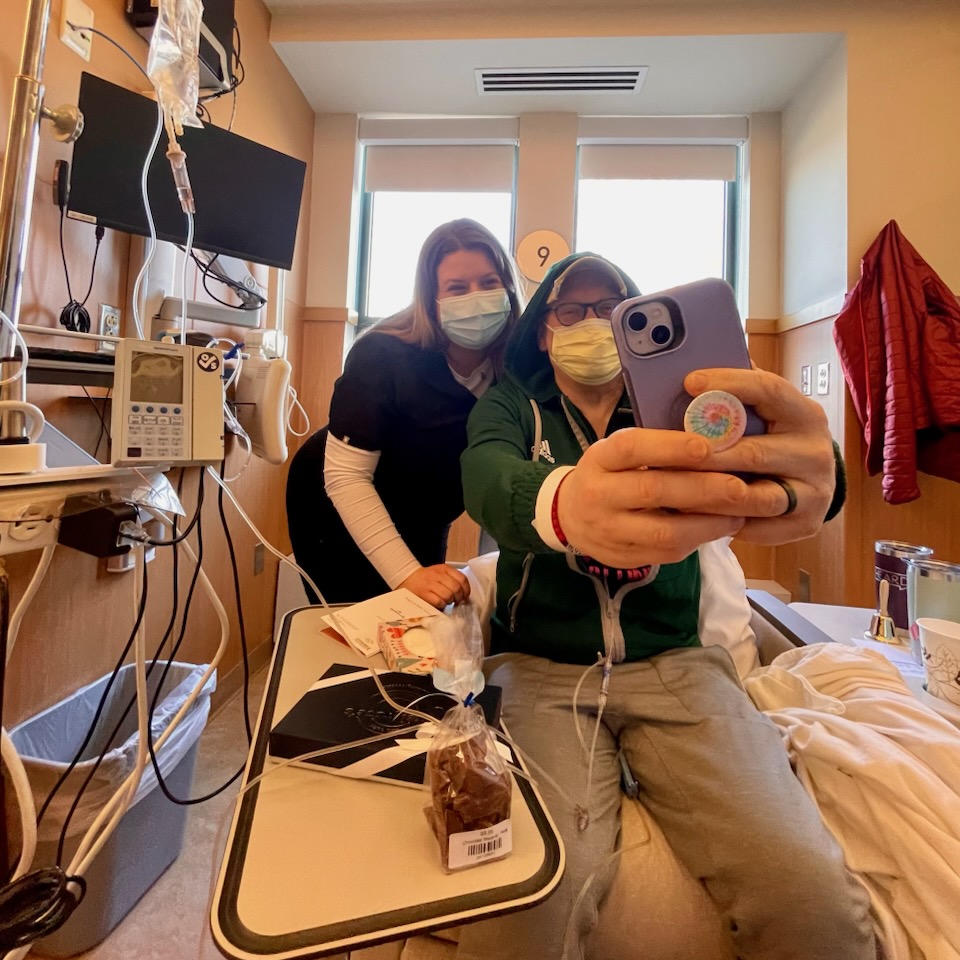
Jake Messier takin a selfie at his chemotherapy appointment.

Putting the MEN in KOMEN 

That mission is what’s driving Jake to walk in the Boston 3-Day this summer. With his team, Putting the MEN in KOMEN, he hopes to raise $10,000 and bring greater visibility to male breast cancer. 

“The Boston 3-Day is a big event,” he said. “If people see me, a man, holding a sign that says men can get breast cancer too, and they remember that—that matters and that is huge.” 

To register for the 3-Day, visit the3day.org. 

Statements and opinions expressed are those of the individual and do not express the views or opinions of Susan G. Komen. This information is being provided for educational purposes only and is not to be construed as medical advice. Persons with breast cancer should consult their health care provider with specific questions or concerns about their treatment.