Give a Little, Help a Lot: Be a 3-Day Volunteer

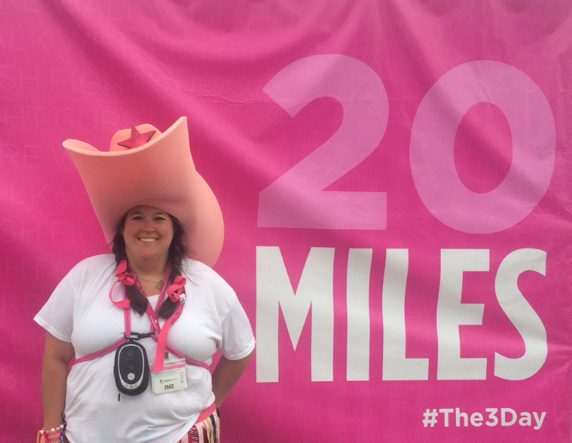
Next week (April 10-16), we recognize National Volunteer Week. The Susan G. Komen 3-Day is a bold, ambitious, large-scale event series that simply would not be possible without the time and talent of thousands of amazing volunteers. We do a lot to thank and praise our all-volunteer 3-Day Crew, but today, we’d like to tell you a little bit about the other behind-the-scenes heroes of the 3-Day: our day volunteers.2015_3DAY_ATLsun_EDB (462)
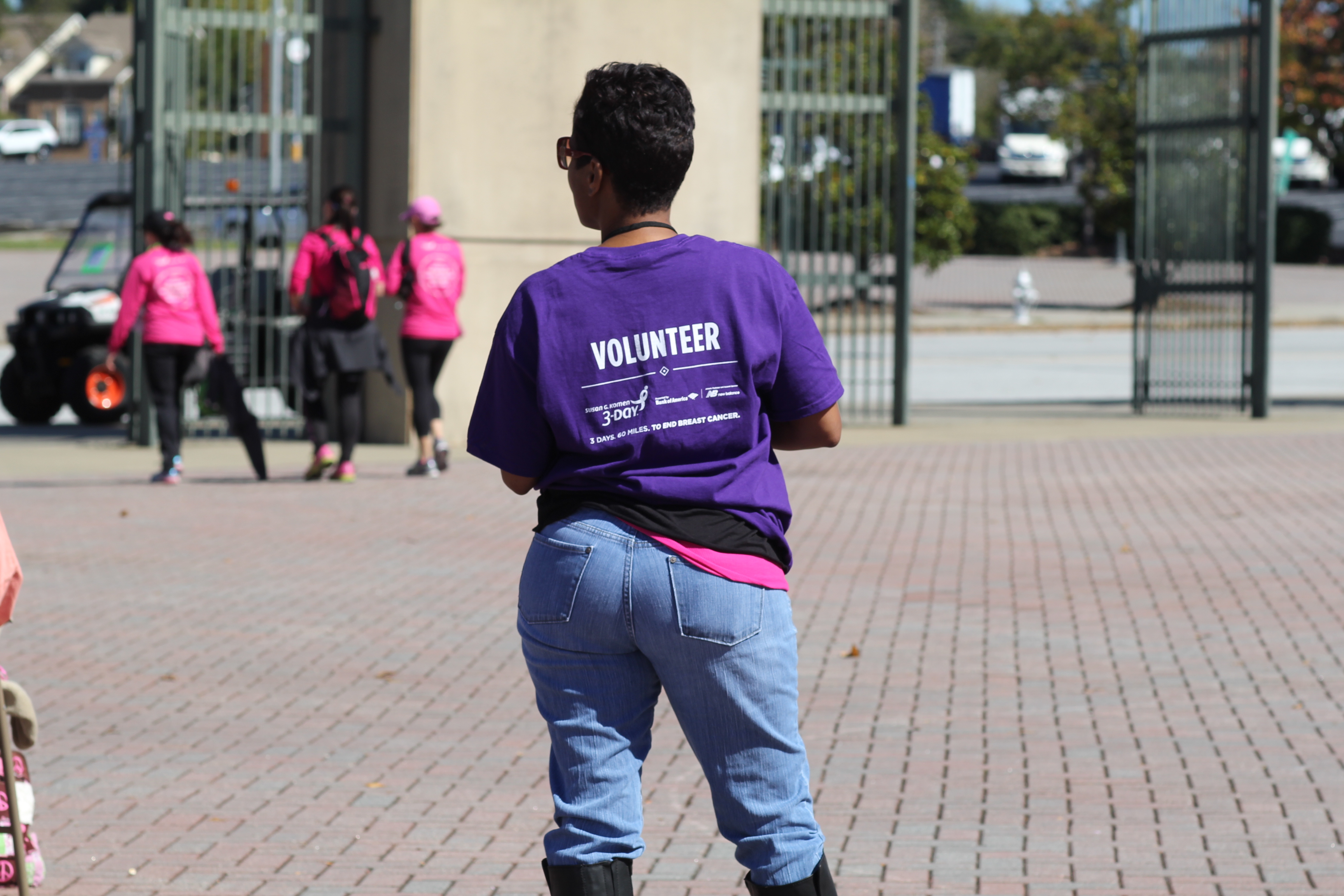
Crew or Volunteer: What’s the Difference? – Crew members are 3-Day participants who register for the event months in advance and make a commitment to volunteer for the duration of the 3-Day event weekend (Thursday through Sunday). Crew members are assigned to a specific job far in advance of the 3-Day, and that is their job for the entire event. Volunteers (whom we refer to as “day volunteers”) are folks whose hearts burst with the same spirit of helpfulness that crew members have, but may not have as much time to give. Volunteers typically sign on for shifts that are a few hours at a time.2015_3DAY_ATLsun_EDB (450)
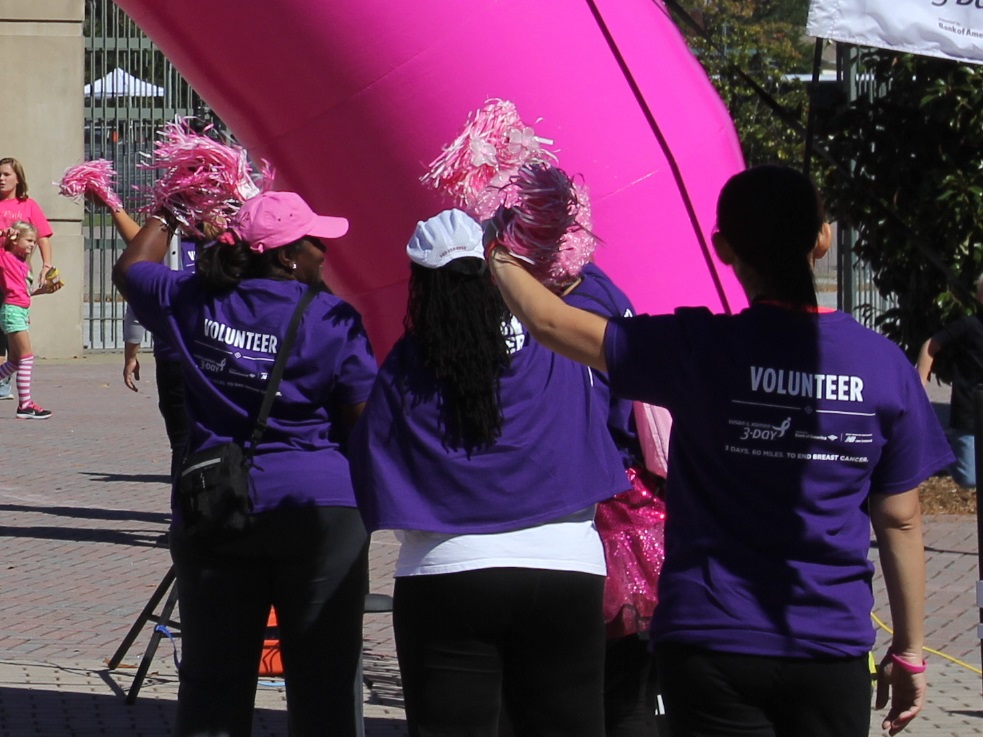
Easily spotted in their purple shirts, 3-Day volunteers are a special kind of awesome. They show up to help, sometimes not even knowing what that might entail, and then give their time, energy and enthusiasm to creating 3-Day magic. Often, these are folks who, for months, have been supporting friends or family members as they raised money and trained for 3-Day, but they still come out and continue to give. Smiles and high fives from 3-Day volunteers have the special power to make a walker’s day while also bringing complete joy to the volunteer too! We can’t say thank you enough to these wonderful workers, and we’re always happy about welcoming new volunteers into the 3-Day family. 2014_3DAY_DFW_JF_1345
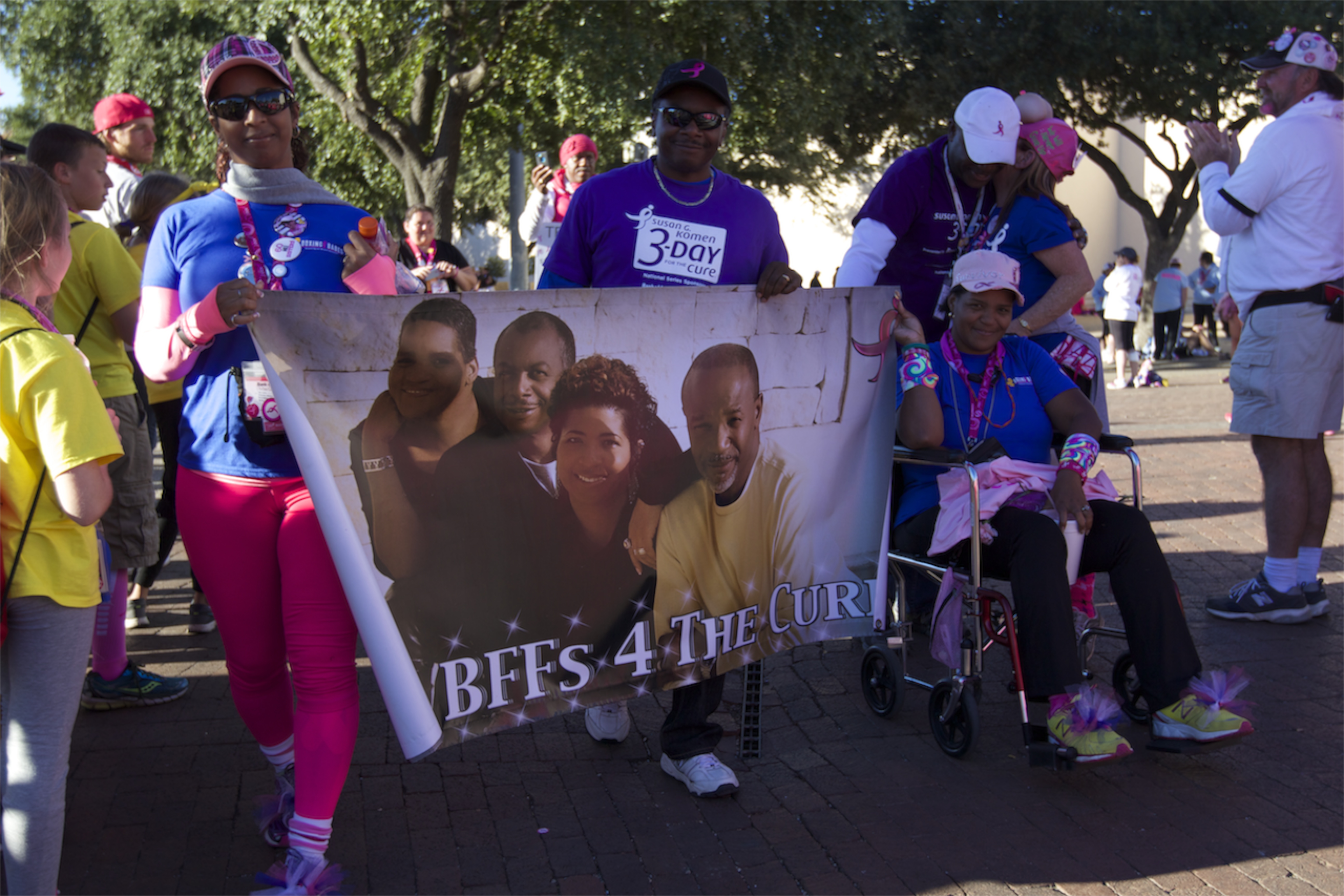
There are all kinds of opportunities for people to be part of the 3-Day as day volunteers.

Before the Event – Even months before any walkers step out on to their 60-mile 3-Day route, volunteers (many of whom will be walkers or crew members when the 3-Day rolls around) are part of the 3-Day’s outreach efforts, spreading the word and getting people excited about the 3-Day coming to their towns. This type of community outreach might include attending informative meet-ups with the 3-Day coaches, sharing information about the 3-Day at other community race expos (such as the Komen Race for the Cure®), or being part of the “street team,” which has the exciting job of canvassing neighborhoods a few weeks before the 3-Day to let the locals know that a parade of pink will soon be passing through, and encourage them to decorate, cheer and support.

On-Event Volunteers – While many of the on-event jobs are taken care of by crew members, the 3-Day still has tasks that need to doing. Day volunteers to the rescue! If you have a few hours that you can give on one or more of the 3-Day’s event days, you can help out with:

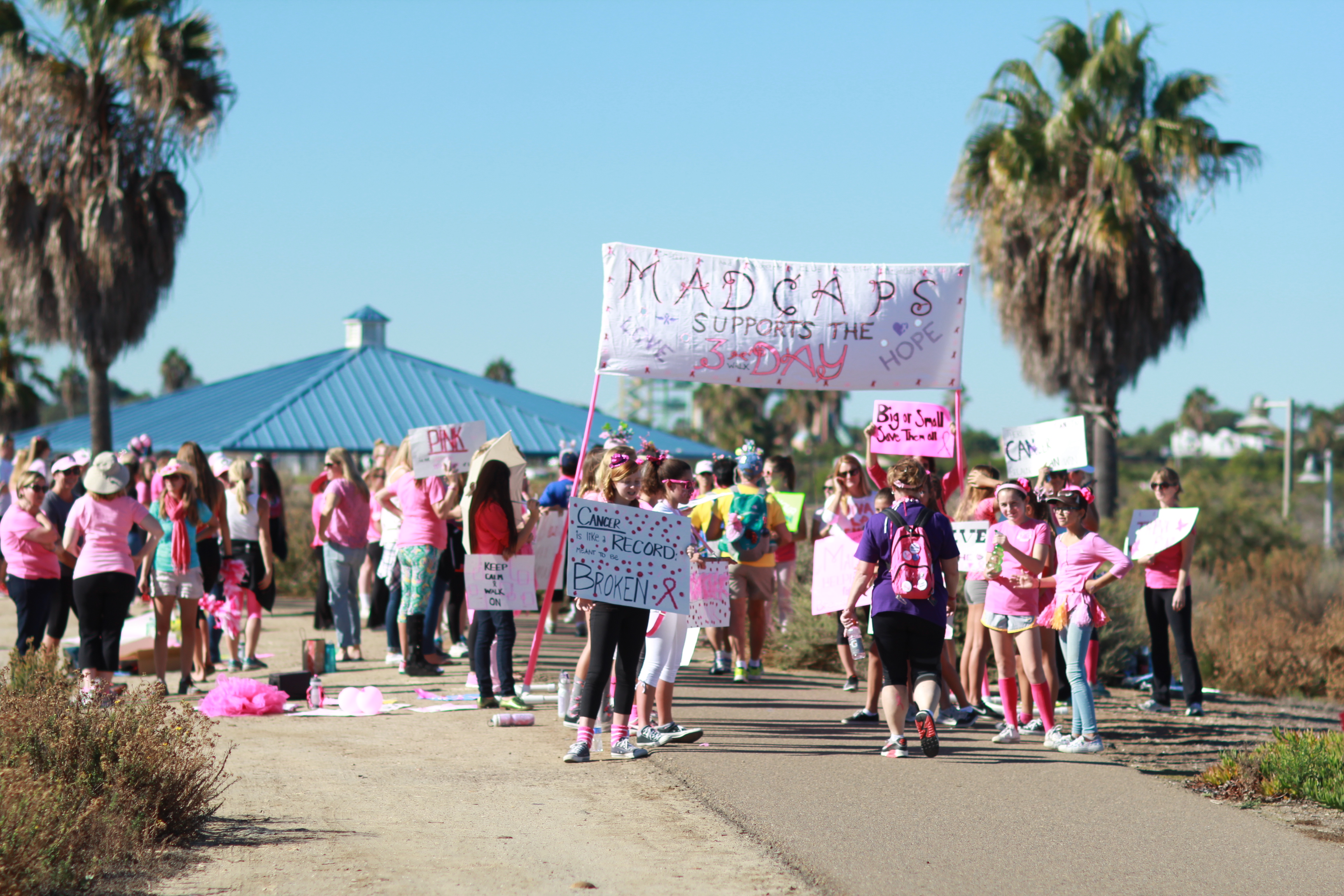
  • Cheering Stations – One of the most fun and inspiring ways you can volunteer your time is at a cheering station along the route. This is especially great if you have a group that wants to volunteer.2015_3DAY_SDsun_EDB  (224)
  • Campsite Operations – Some jobs in and around the 3-Day camp can use extra hands from time to time, including traffic control, food service, trash pick-up, help with putting up sleeping tents, and more.
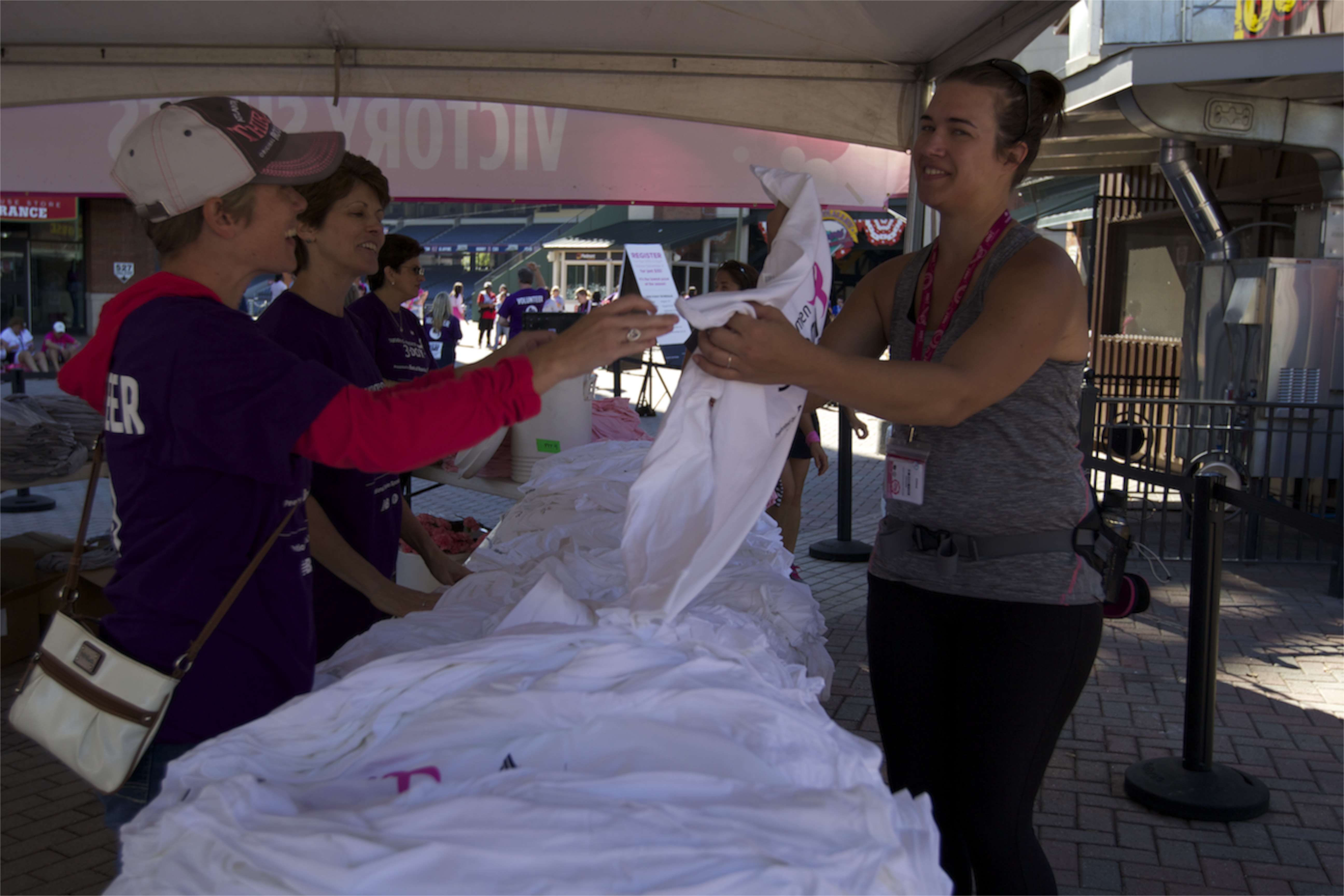
  • Participant Finish Area – This area is located at the end of the route on Day 3, and volunteers here help with a number of jobs before the Closing Ceremony, including handing out snacks and water to walkers at the finish, Victory t-shirt distribution, traffic management and gear retrieval, to name a few.2014_3DAY_ATL_JF_1167
  • Specialized Jobs – If you are a medical professional (doctor, physician assistant, RN, physical therapist or paramedic/EMT) or an ASL interpreter, the 3-Day would love your help!

Kids Welcome! – Many of the 3-Day’s day volunteer opportunities are open to kids aged 10 or older (with adult supervision).2015_3DAY_SDsun_EDB  (248)
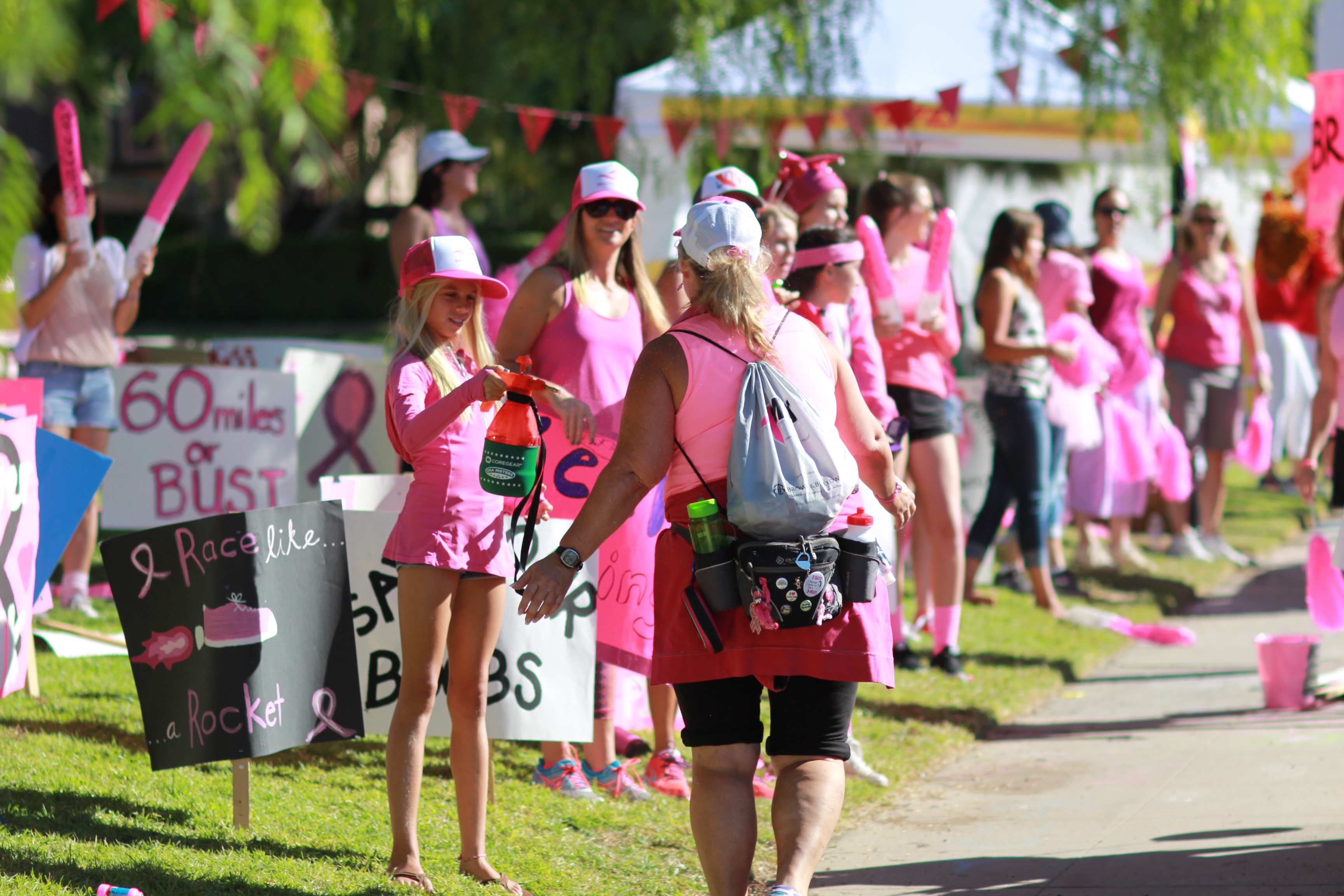
Groups = Great! – Are you part of a group that’s looking for volunteer opportunities? Consider the 3-Day! We welcome charity organizations, scout groups, high school or college clubs and teams, workplace groups and church groups to fill special roles.2015_3DAY_DFWsun_EDB (739)
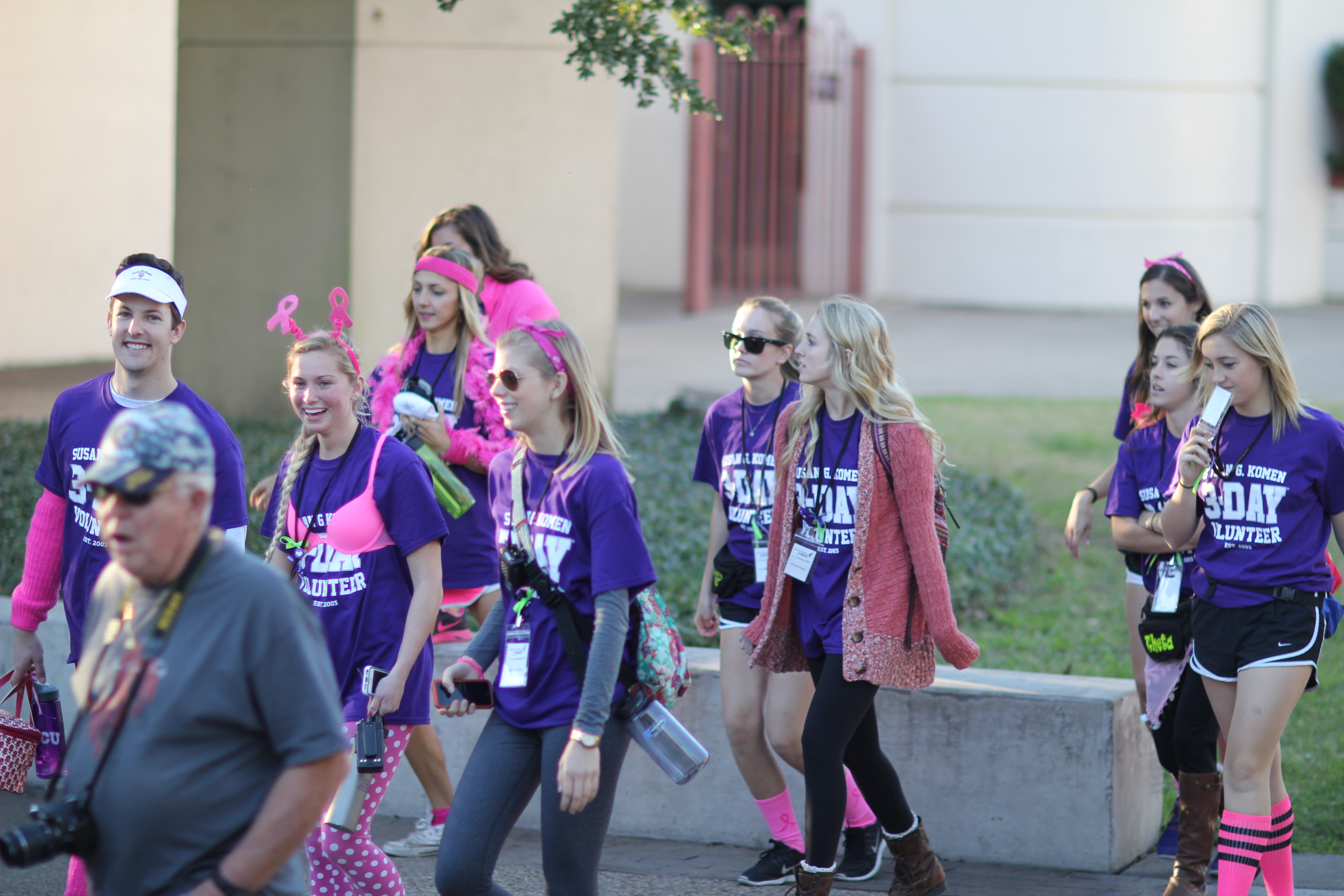
Learn More! – Volunteers interested in these opportunities should reach out to the 3-Day coaches at 800-996-3DAY or coaches@The3Day.org for more information. You can also visit The3Day.org/Volunteer to view and sign up for volunteer opportunities that are already open, and can subscribe to the Volunteer Bulletin, an email newsletter that will alert you of new openings. And don’t forget to Like the 3-Day Coaches on Facebook too!
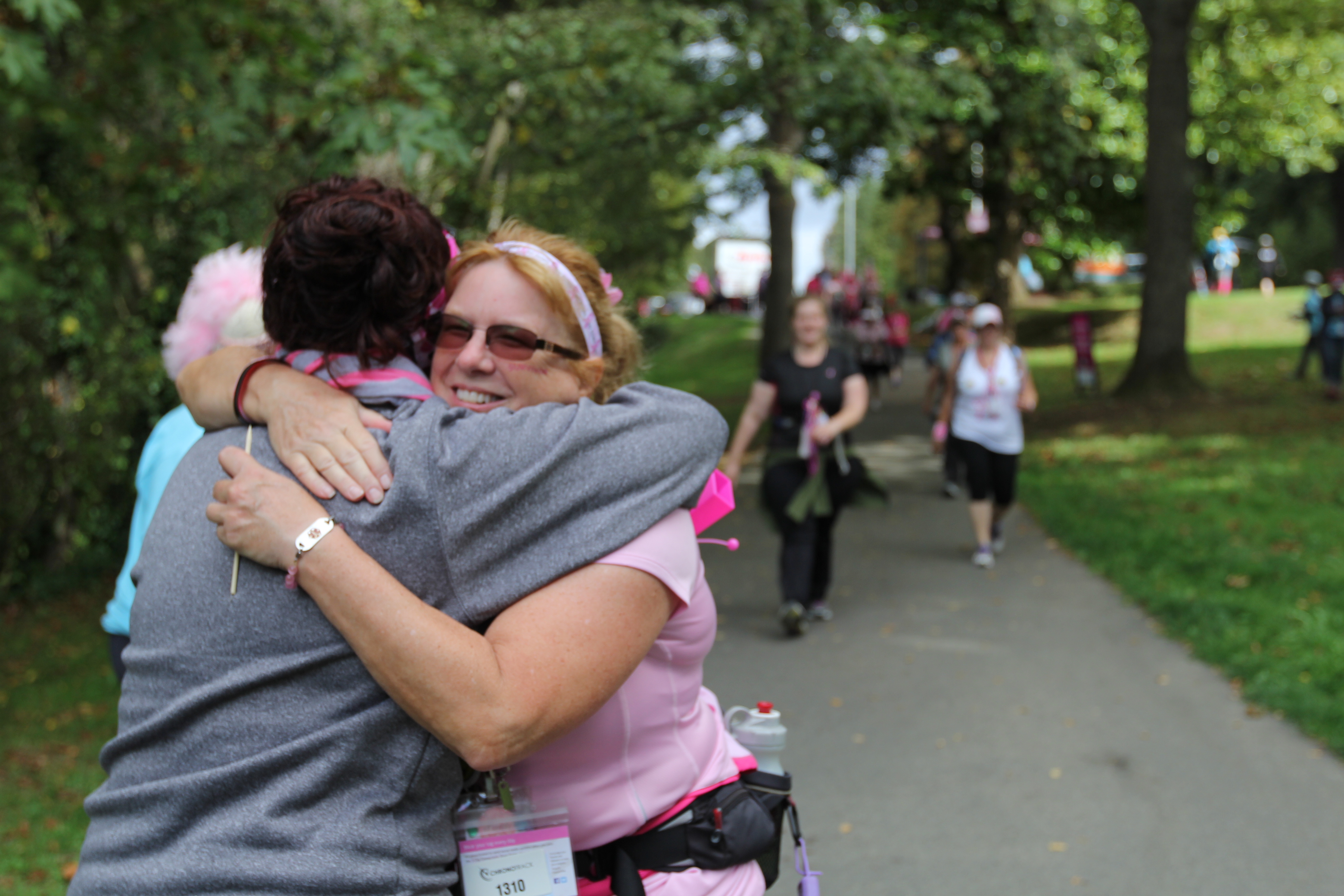
3-Day Fundraising for Introverts

“I’m too shy to ask people for money.”

“I don’t know that many people.”

“I live in a small town so my resources are limited.”

When it comes to fundraising for the 3-Day, we hear lots of reasons why walkers are nervous or hesitant about diving in. In many cases, that fundraising anxiety is rooted in a very personal place. Are you an introvert? Typically quiet and uncomfortable with confrontations (even positive ones), many introverts cringe at the thought of asking people for donations. Or in other cases, you not be fearful of asking for donations, except you don’t know very many people to ask. What’s an introverted walker to do?

The 3-Day coaches—all of whom have personal experience with fundraising for the 3-Day themselves—address these concerns from participants all the time, and they’ve shared some ideas and strategies that will help 3-Day participants of all personalities and situations be successful with their fundraising efforts.

Delegate to the Extroverts in Your Life – If you personally are uneasy about asking people for donations, go to some of your more outgoing friends or relatives and ask them to help. We all know those people who aren’t afraid to talk to anyone, and they are wonderful to have in your corner. Ask them post links to your fundraising page on their Facebook, have them stand with you outside the market to collect donations (your precocious and adorable kids are perfect for this job!), or task them with handing out your donation form to their co-workers. Your extroverted friends can be a great asset to your fundraising efforts.

The Kindness of Strangers – If you don’t know very many people whom you can ask directly for donations, there are things you can do to benefit from the generosity of people you don’t even know. “Start simple,” says Tara, the Atlanta 3-Day Local Events Coach. “Put out cans for change at local stores or restaurants, do a restaurant night where they give you a portion of the sales and all you have to do is stand at the door and hand out your flyers during the time they allow. You can make a few hundred dollars at a time with a bake sale at your child’s school, a garage sale, or by setting up outside the local grocery store with pink balloons and information on what you are doing. Even if people don’t give money right away, always hand them your donation form and let them decide to give later.” Your potential donors don’t have to be your best friends. The dry cleaner, your child’s teacher, librarian, coffee shop clerk, neighbor, mailman, dentist, hairstylist – any of these people may have a personal connection to breast cancer and would love to make a donation.2015_3DAY_SEAsun_EDB  (705)

Start Somewhere Comfortable – Michigan 3-Day Participant Coach Jennifer shared this story about a first-time walker she helped: “She really wanted to walk but was very worried about the fundraising and hated the thought of asking people for money. Together, we decided to start with a group of people that she already felt comfortable with: her church. She got up at her church’s Sunday services to speak briefly about the 3-Day and about her fundraising goal. She was very nervous about this, but she know it was a safe and welcoming place, so she did it.  Not only did she get donations from church members but the church itself gave her a check for $1000 directly.” Whether it’s your church, your office, or your immediate family, if you start by asking people you’re very comfortable and familiar with, it will get you going in the right direction and give you the confidence to open that circle even wider when you’re ready.

The Power of Technology – We like to encourage 3-Dayers to ask for donations face-to-face when possible, because that personal contact is really good at compelling people to donate. But for some people, the thought of that kind of interaction is just too intimidating. In that case, the internet is an outstanding resource. Being able to take time to write out a fundraising email or Facebook post allows you to get your wording just right and not have to deal with the awkwardness or discomfort you may feel with a face-to-face request for donations. The internet also allows you to reach much farther than your own immediate community. Even if you live in a small town or far away from your closest friends and family members, technology makes it so easy to reach them across the miles. The 3-Day has a Facebook app that you can set up to post on your behalf, or you can write your own posts on a regular basis that will reach your friends no matter where they live. Same goes for email. It’s fast, easy and free to send email messages to everyone you have an email address for (and I do mean everyone), and if you email from your Participant Center, your message will automatically include a link to your donation page. 2015_3DAY_ATL_GF_0360

Go Old Fashioned – On the other hand, several coaches swear by the power of good ‘ol postal mail. Alyssa, one of the 3-Day’s social media coaches, shared, “My favorite and most successful fundraising tactic was writing a letter and MAILING it. Snail mail, not email. People seem to really respond to something tangible like a heartfelt letter in their hands. Include your donation form (you can write the personal URL for your donation page on the top, in case they want to donate online), a stamped return envelope, a deadline you want to meet, and sign your name (with a pen! Don’t just type it). This really shows people you mean business and have enough passion to give them everything they need to donate besides the check and pen.” Twin Cities Local Events Coach Stephanie agrees. “Mail each letter in a brightly colored envelope or if you have young kids get them involved and have them decorate the envelope for you. Your donors will be sure to open a piece of mail that is hand-written and jumps out of the mailbox at them.”

Something In Return – Ann, the Local Events Coach for the Michigan 3-Day (and a self-proclaimed introvert) uses social media as her go-to fundraising tool, but she knows that people like getting stuff, so she also ties in donor incentives. “I often do giveaways, sales, or auctions and Facebook and Twitter are my main ways of driving awareness and participation in those events.” She also likes to hold restaurant fundraisers, knowing that hey, people have to eat! Folks in her community get a tasty meal and a night of no cooking, and her fundraising account gets a nice bump in dollars. “They’re good ‘in-person’ events because you don’t actually have to interact with people if you don’t want to. If you CAN manage to at least stop by people’s tables and say hello and thank you, you can definitely increase the money you raise with some conversation. But if you absolutely can’t bring yourself to talk to folks, it’s a-ok too, because you’ll still earn funds just from them eating at the restaurant that night!”

Don’t Ask. Instead, Tell Your Story – Paula, the Participant Coach for the Seattle 3-Day, says that you can send a powerful message to your potential donors without ever actually asking them for money. “Write a letter or a Facebook post to tell everyone what you are doing and why. ‘I have decided to do something I never thought possible–walk 60 miles over 3 days–and here’s why.’ Then share your own reason for walking. For example, ‘I had to say goodbye to a dear friend this year after she lost her battle with breast cancer, and vowed that I would honor her memory by challenging myself to walk in the 3-Day and raise $2,300 that will provide research, treatment and education so others are spared the loss of a loved one. Nothing is going to stop me in reaching my goal. Here’s how you can help,’ then share the link to your fundraising page.” Make the story heartfelt and personal to you, and it will become personal to your donors as well.  2015_3DAY_DFWsun_EDB (159)

Team Up! – Many teams take on fundraising as a group, then divide up the proceeds amongst team members who helped with the efforts. “Speak with a coach to get you connected to a team,” says Dallas/Fort Worth 3-Day Local Events Coach Gayla. “Even if you don’t live close by, there are things you can do to include yourself with the team’s fundraisers. Whether it’s selling raffle tickets, creating flyers, calling restaurants to set up fundraisers, etc., this is the kind of help each team needs to have successful fundraisers.”

Keep Your Expectations Realistic – This is important advice for ALL 3-Day fundraisers, introverts and extroverts alike. For the majority of 3-Day walkers, fundraising is a slow-and-steady process. No matter which fundraising strategies you use, more than likely, it will take you several weeks or even months to work up to your $2,300 goal. That’s okay! Don’t get discouraged if it’s taking a long time, just keep chipping away at it. If you approach your fundraising with the realistic expectation that it will take time, you will remain motivated to keep going. And as always, your biggest motivation to not give up should be whatever it was that motivated you to take on the 3-Day to begin with.

Pick Your Pack: The Great Waist Pack vs. Backpack Debate

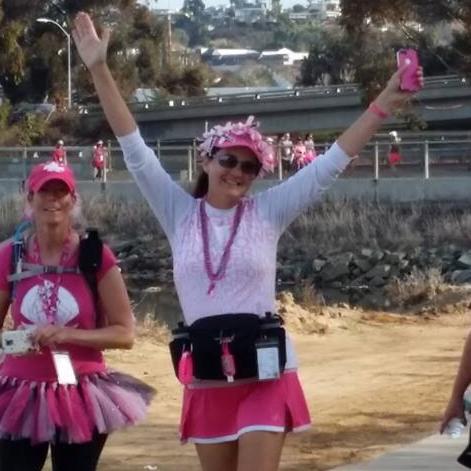
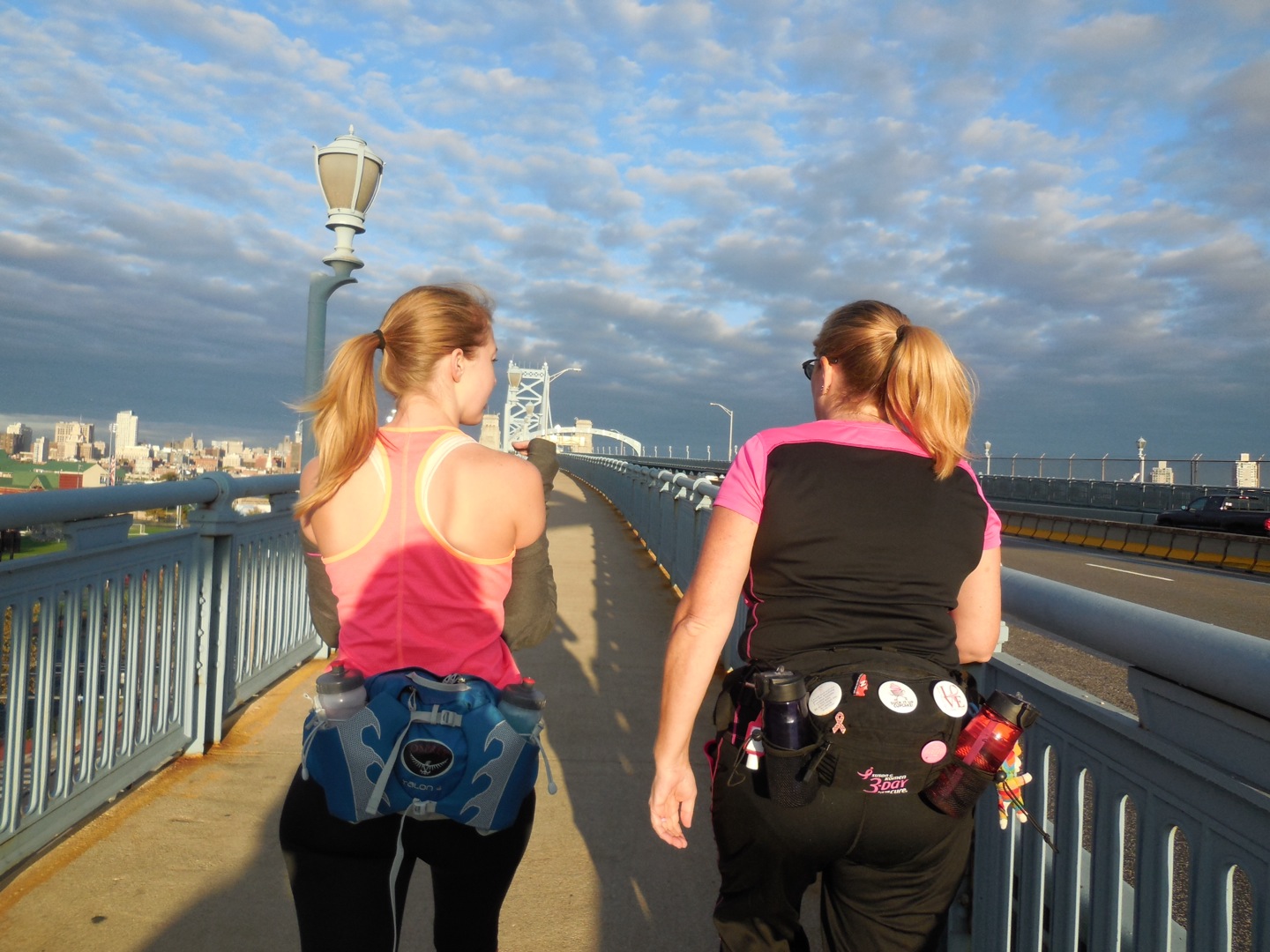
When embarking upon months of training for the 3-Day, and when they get to the event itself, walkers make a very personal choice about the best way to haul their walking must-haves with them. Those water bottles, extra socks, sunscreen, snacks and phones need a way to get through the 60 miles with their walkers, and the two most common options we see used are the waist pack (I have been forbidden to refer to it as a fanny pack) and the backpack.waist pack

My choice? I’ve walked with both, I see the benefits of both styles, and I don’t necessarily have a preference for one over the other. But other walkers are quite particular, and will defend their pack of choice vocally. We asked a segment of 3-Day walkers whether they were Team Waist Pack or Team Backpack, and they responded with some insightful and entertaining replies. Whether you’re a new walker faced with making the choice for the first time, or a veteran who has their go-to but may be curious about how the other side rocks their pack, we’ve got some different perspectives to share.

Team Waist Pack

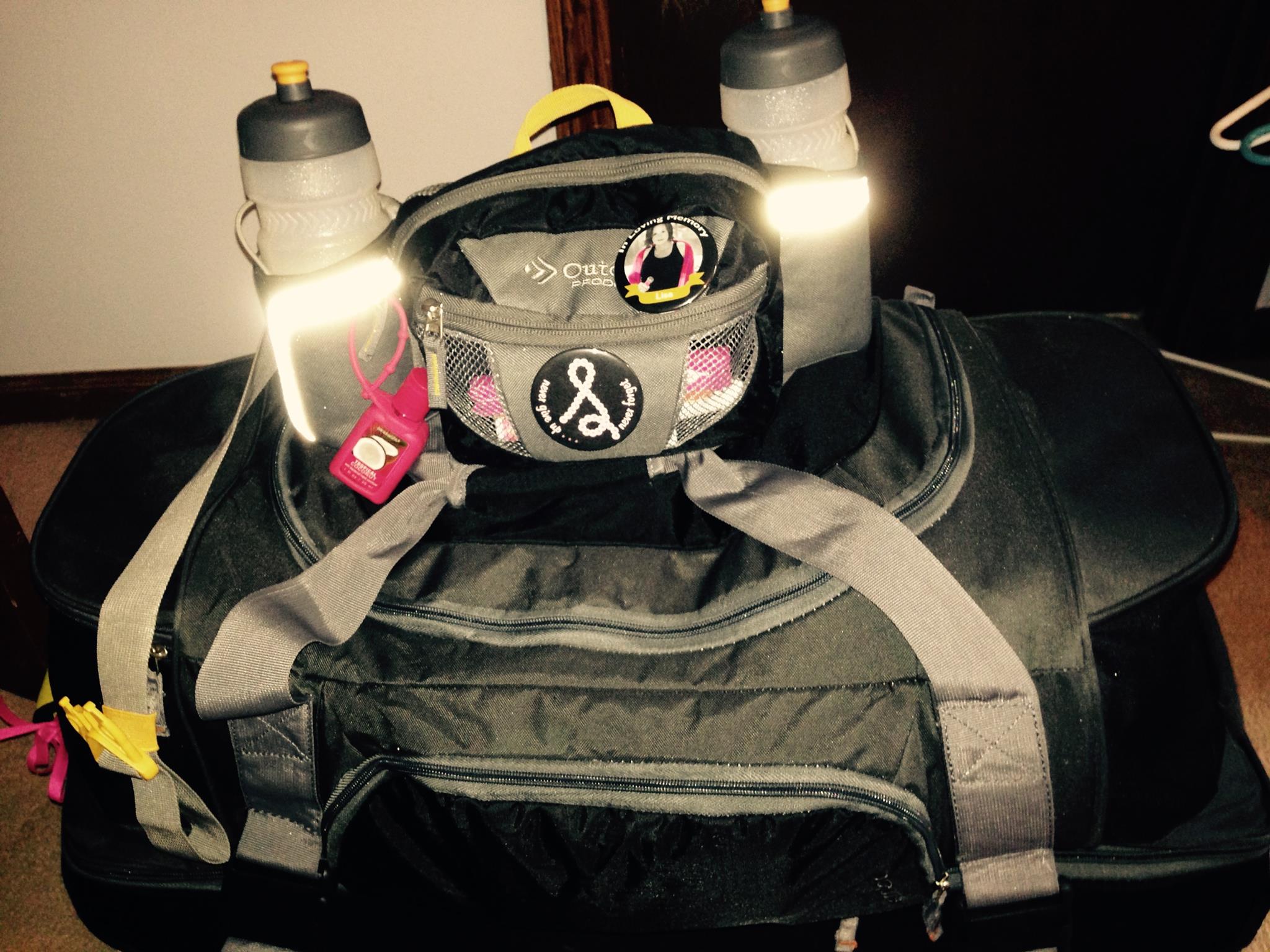
A waist pack is worn (you guessed it) around the waist, usually with the pack in the back. These packs are a far cry from those single pouch, “cheesy tourist” numbers from the 80s and 90s, and now come in styles made specifically for long-distance athletes. In assorted sizes, modern waist packs come with lots of zipper pouches, clips and straps, and special sleeves made for holding water bottles.

Pala L. (21x walker, 25x after 2016) – Because of the number of lymph nodes I’ve had removed, one of the restrictions (to avoid lymphedema) is to not carry anything on my shoulders, so I felt I didn’t have a choice in the matter. The waist pack I use has been through 21 walks and thousands of miles when one counts training walks. I love mine because of the rigid rim bottle holders; this allows me to reach for either bottle (one water, one sports drink), drink and replace without needing to stop walking.  Likewise, I can swing the pack around to my front to get a tissue or put something in easily. 12244632_1193784363969469_5529181542663317037_o

Leanne J. (9x walker, 11x after 2016) – My first few years walking I used a child-sized hydration pack. It was the perfect size for a pair of socks, my windbreaker, and the water bladder, and I attached an additional water bottle with a carabiner. I wore that pack for six events (including one when I was pregnant!), then I switched to a waist pack that fits two smaller water bottles very comfortably and has enough room on the inside for socks, snacks, and a poncho. I love that it is so easy to turn around and grab things when I need them. The backpack tended to hurt my back and the waist pack is much more comfortable.2015

Tisho J. (5x walker, 7x after 2016) ­– I use a fanny pack (I’m old-school with the name, too). I originally tried to train with a hydration backpack but my bursitis/tendonitis-inflicted shoulder quickly announced that that was not an option. I’m also very strict about the water AND sports drink rule (and require a lot of hydration) so I have always had a two-bottle pack. The biggest thing I look for in a pack is loops where I can attach carabiners because you can hook anything to those (long sleeved shirt, mini-Purell, credentials…). I’m also “that girl” that wears the pack in the front—I like easy access to everything! THJ SD 14

Steph H. (15x walker, 16x after 2016) – For 13 of my 15 3-Day events, I used the same single-bottle waist pack. It finally saw its last day and for my last two events I have a new two-bottle waist pack. I do not carry much with me, though, just the necessities (blister care, a spare pair in a baggie, sunscreen, chapstick, etc.). I was resistant to a two-bottle holder at first (bulk on my lower back), but it provides good balance. I was 25 on my first 3-Day. Now I am 40–I require more hydration, and on more than one occasion (especially on long training walks without pit stops), I’ve been incredibly grateful to have two bottles instead of just one.11864963_10207674809212675_8569001800261997479_o

Jennifer (Michigan 3-Day coach, 10x walker, 11x after 2016) – Yes, I am Team Waist Pack. I actually still have the waist pack I bought back in 2002 when I was preparing for my first 3-Day and it is the one I continue to use. There have been a few 3-Days where I have walked with a light backpack but I came back to the waist pack simply because a backpack is not comfortable for me. My waist pack holds one bottle and the holder is right in the middle. However, I prefer to carry my bottle, switching it from hand to hand occasionally; this reduces swelling in my fingers. My waist pack also allows me to display the 4 million (give or take) pins that I have collected over the years.SD17


Team Backpack

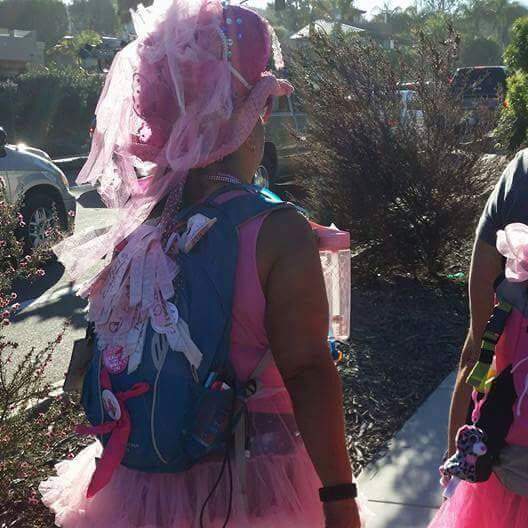
The backpacks we see on the 3-Day also vary in style. Some walkers prefer a hydration backpack; this style of pack holds a refillable plastic “bladder” which is attached to a plastic tube that ends with a mouthpiece, so users can drink right from the pack without having to take out a water bottle. Other walkers go for a simpler style and wear a traditional backpack or cinch-string sack.

Tina E. (8x walker, 10x after 2016) – Let me tell you, I used the fanny pack for years and switched. I find with the hydration backpack, my water intake is much better. It’s easy to get to, it stays cold and I don’t even have to take it off to pee. If you use one of these backpacks, I suggest carrying a spare mouthpiece; if you don’t and yours breaks, oops water is all over the place. tina e.

Courtney C. (6x walker, 8x after 2016) – I may be biased, but after 8 years I think that cinch string backpacks are THE ONLY way to go on the 3-Day! I have found that if I use two carabiners across my chest, it is perfect to hold my iPod/speaker and it secures the backpack from moving all over (preventing the shoulder blisters I had in year 1). The great thing about cinch string backpacks is that you can reach over your head and continue walking while you retrieve whatever you need! The other beauty is that there is much less pressure on your lower back. #teambackpackScreen Shot 2016-03-16 at 10.40.23 PM


Team Undecided/Best of Both

Sometimes it’s just impossible to choose, and you’ll see walkers sporting both types of packs at the same time! We also know of walkers who prefer the waist pack for some walks and backpack for others.

Dawn K. (5x walker, 6x after 2016) – My first walk I used a cross-body backpack which bothered my neck by the end of the last day. The past four 3-Days I’ve used a waist pack which was great until last year in San Diego when my sciatica started bothering me. This year I’m going to try a hydration backpack. Fingers crossed I like it! As a training walk leader, I always tell my new walkers that the training walks are the perfect time to try them all to see what they’re most comfortable with.dawn kifer

Kim (San Diego 3-Day coach, 5x walker) – I used to love training with the hydration backpack because I was able to go longer distances without having to refill the water bladder. But once I got to the 3-Day I liked to lighten my load and use a fanny pack because there were pit stops so frequently I didn’t need to worry about where to refill.


So what about the rest of you 3-Dayers? Which pack do you pick?